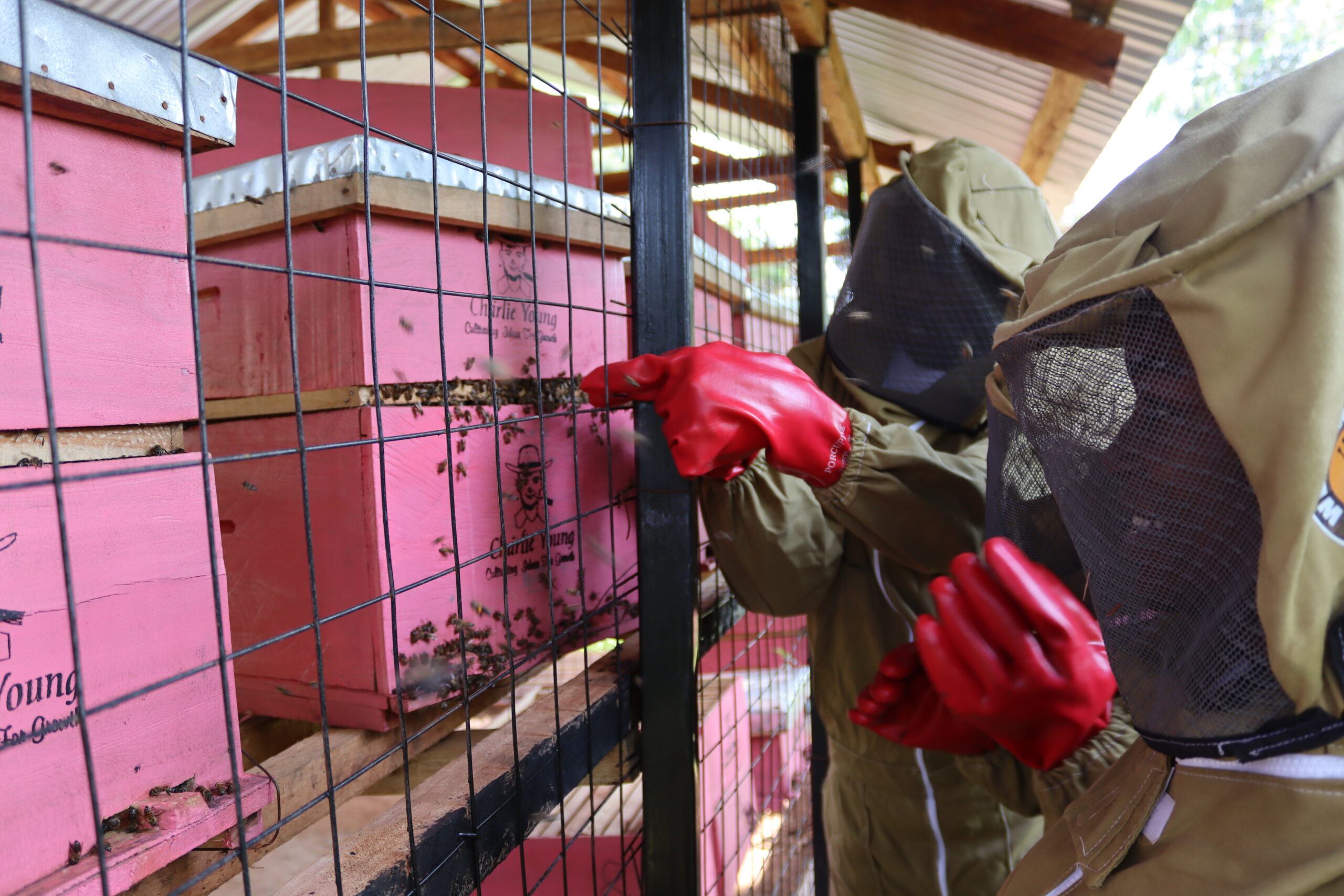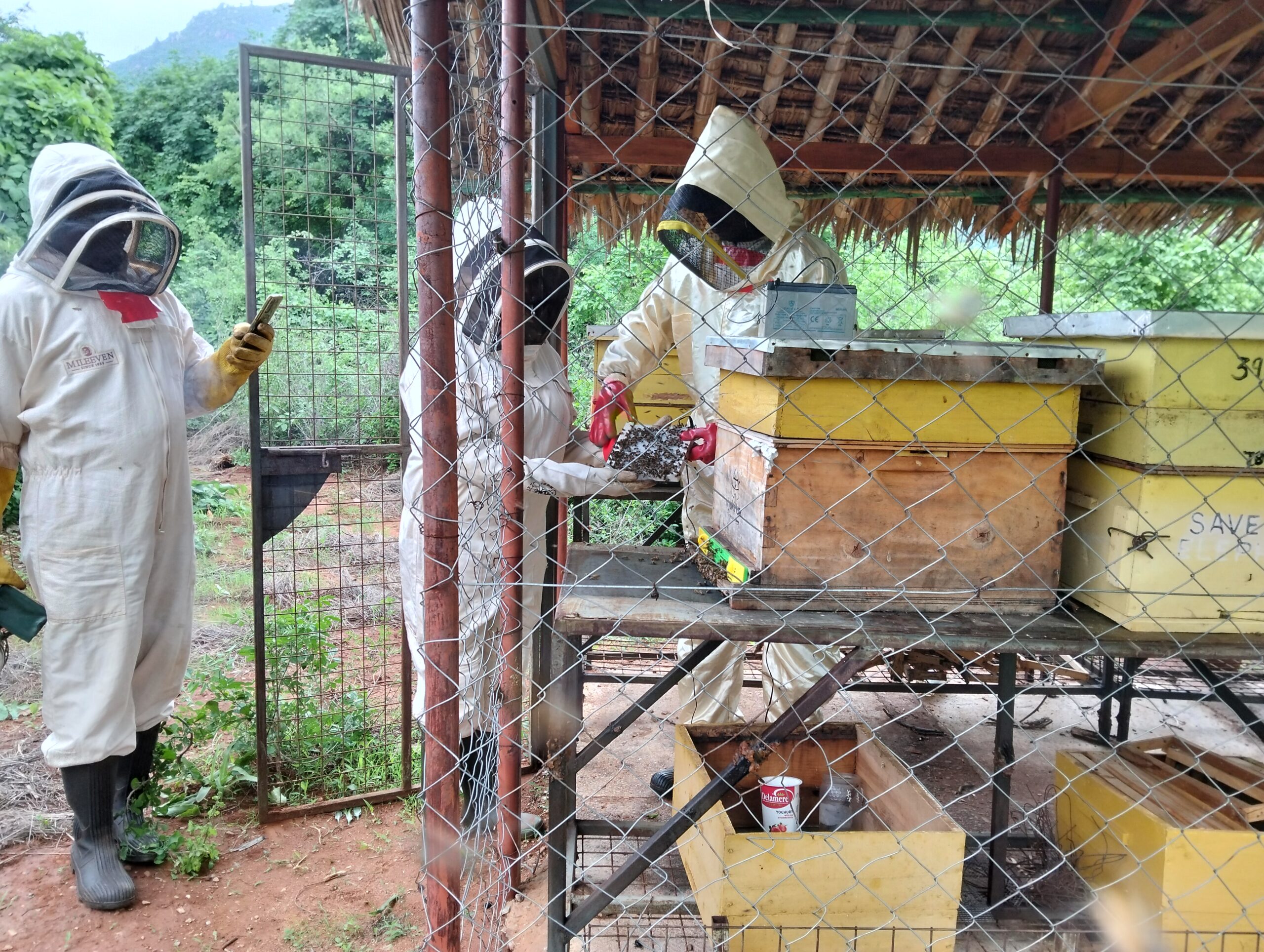
Kenya, a land rich in biodiversity, boasts a wealth of potential resources, and bee venom might be one of them. While beekeeping is a well-established practice, the potential of bee venom, often overlooked, could be a lucrative avenue for entrepreneurship. Imagine making Ksh 4,000/ per gram.
In this blog Charlie Young explains the potential of bee venom businesses in Kenya and actionable steps to capitalize on it.
The Untapped Potential:
Bee venom in Kenya, like elsewhere, possesses purported medicinal properties. Traditional healers often utilise it for various ailments, however, this application lacks sufficient evidence-based research for wide-scale adoption though it does garner considerable interest. Despite this gap in scientific evidence, there is a market for it, particularly amongst communities who hold indigenous knowledge of its use.
Making Money From Bee Venom:
Several avenues can yield income from bee venom in Kenya:
- Extraction and Processing: Setting up a facility to safely and efficiently extract bee venom from colonies is crucial. This could involve using experts like Charlie Young and Western Apiary who understands specialized beekeeping practices designed to minimise harm to the bees. Clean, sterile extraction methods are paramount to produce a high-quality product marketable for both local and potentially international markets.
- Development of Bee Venom Products: Beyond raw venom, opportunities exist for developing and selling related products:
- Venom-based ointments and creams: Targeting local demand for pain relief, joint issues, or muscle soreness.
- Supplements and tinctures: Packaging bee venom as a dietary supplement with claims carefully verified and labelled clearly. Caution is required – these products need to comply with Kenyan regulatory bodies on food labelling and ingredient declaration.
- Venom-infused cosmetic products: The skincare industry is a global market. Further research could determine if extraction and use of bee venom in cosmetics is viable. Extreme care on safety and appropriate labeling is crucial.
- Training and Education: Partnering with local communities and offering training on safe bee venom extraction and product development could empower them and build a strong foundation for local businesses. For instance, Charlie Young in partnership with Tsavo National park is training the community living around the park how to make alternative sources of income besides the honey they harvest from their hives.
- Establishing a Certification Scheme (consider this crucial): Creating a quality control and certification system for bee venom products will add credibility to the extracted products.
Challenges and Considerations:
- Scientific validation and regulatory compliance: Kenya’s regulatory bodies need to be aware of bee venom extraction and production. Secure the necessary permits and certifications to conduct the business legally.
- Sustainability: Sustainable beekeeping practices must be the cornerstone of any bee venom operation. Over-harvesting could harm bee populations.
- Safety and precautions: Implementing rigorous safety protocols is paramount, including proper safety equipment for beekeepers and appropriate handling and storage methods.
- Local demand: Thorough market research to grasp the local demand for bee venom products before scaling up operations is vital.
- Initial investment: Setting up and maintaining a proper bee venom processing facility will incur costs. A thorough business plan will be critical in securing necessary funding for this venture.
Opportunities and Potential:
The potential for a bee venom market in Kenya is definitely there. Entrepreneurs could tap into both the local and export markets.
- Partner with traditional healers to understand the needs of the market and adapt solutions to existing practices.
- Collaborate with researchers to conduct scientific studies on bee venom efficacy. Kenya’s research institutions might be critical partners in this process.
Conclusion:
Bee venom represents a potentially lucrative sector in Kenya’s agricultural landscape. By implementing ethical and sustainable practices, coupled with a robust understanding of the demands and regulatory landscape, entrepreneurs can capitalize on this unique potential. Remember, thorough market research, rigorous safety measures, and compliance with regulatory guidelines are crucial for success in this endeavor.
What’s your opinion on bee venom as a business opportunity?
Leave your comments.