Honeybees are more than just pollinators; they’re a symbol of a sustainable future, and a potential lifeline for communities struggling with poverty. Beekeeping, far from being a quaint hobby, can be a lucrative business with the potential to elevate youth from poverty and build a resilient food system.
The global demand for honey and beeswax, along with the rising need for pollination services, makes beekeeping an attractive entrepreneurial venture. However, the path to profitability isn’t a simple “bee-line.” It requires careful planning, dedication, and a strong understanding of beekeeping practices.
Why Beekeeping is Crucial for a Sustainable Future:
- Pollination Powerhouse: Honeybees are essential pollinators for countless crops, ensuring food security worldwide. Maintaining healthy bee populations is critical for agriculture’s sustainability.
- Sustainable Resource: Honey, beeswax, and propolis are valuable, natural products that offer a wide range of applications. These products can be sold directly to consumers, supporting local businesses and strengthening the community economy.
- Environmental Benefits: Beekeeping can contribute to biodiversity by creating habitats for other pollinators and supporting the natural ecosystem.
Empowering Youth Through Beekeeping:
Beekeeping offers a range of benefits for youth in poverty-stricken communities:
- Financial Independence: Profitable beekeeping operations can provide a steady income stream, allowing youth to build assets and achieve economic independence. This can lead to the establishment of small or medium enterprises crucial for local economies.
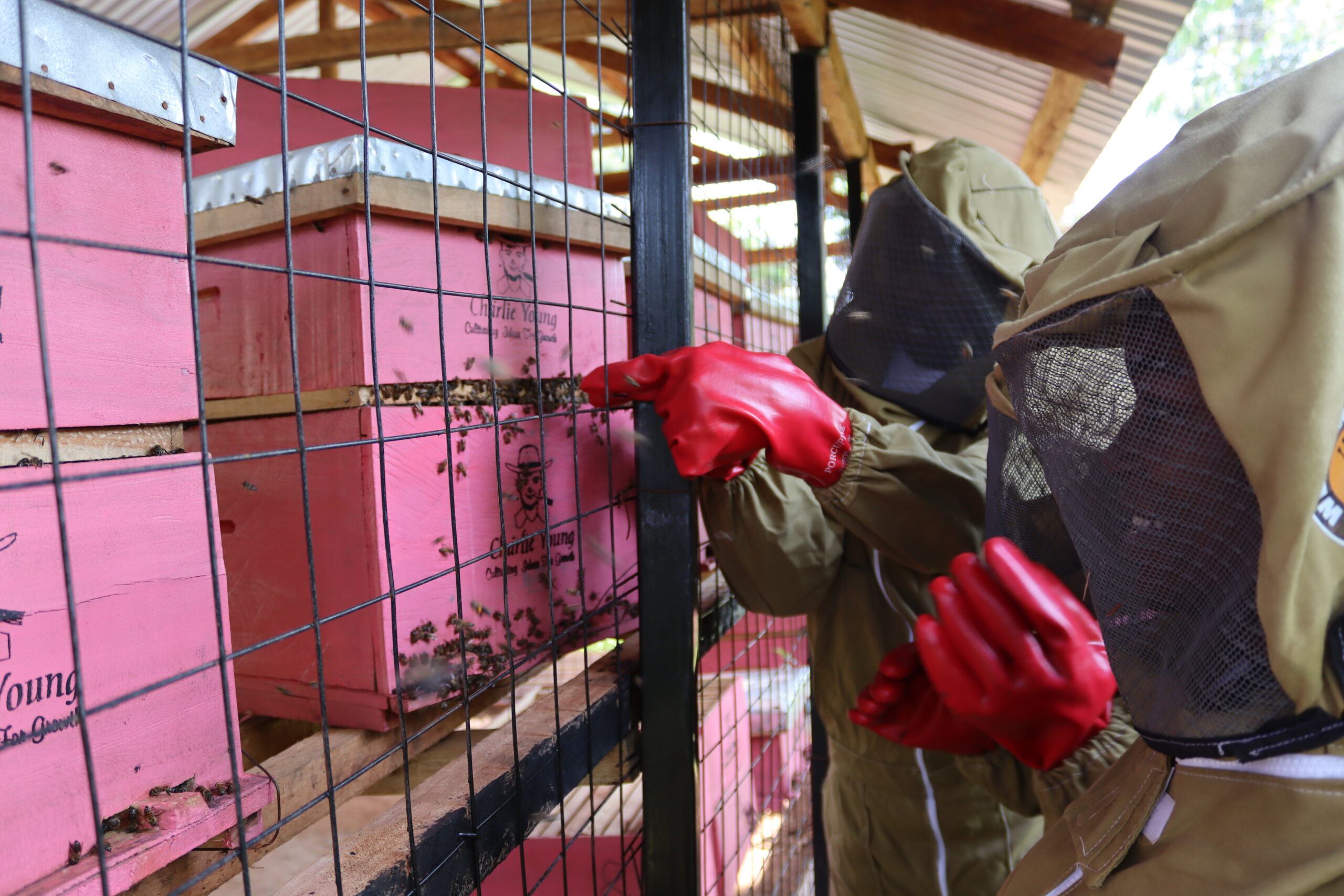
- Skill Development: Beekeeping requires a unique set of skills, from hive management to product processing. This provides youth with valuable knowledge and practical experience. Workshops and mentorship programs are essential for success.A case study,In 2024, Charlie Young smart bee project trained and equipped 50 young people of age between 17_24years with necessary skills needed in sustainable bee farming.
- Community Building: Beekeeping can foster a sense of community and collaboration, connecting participants with others in similar situations who can share knowledge and support each other.
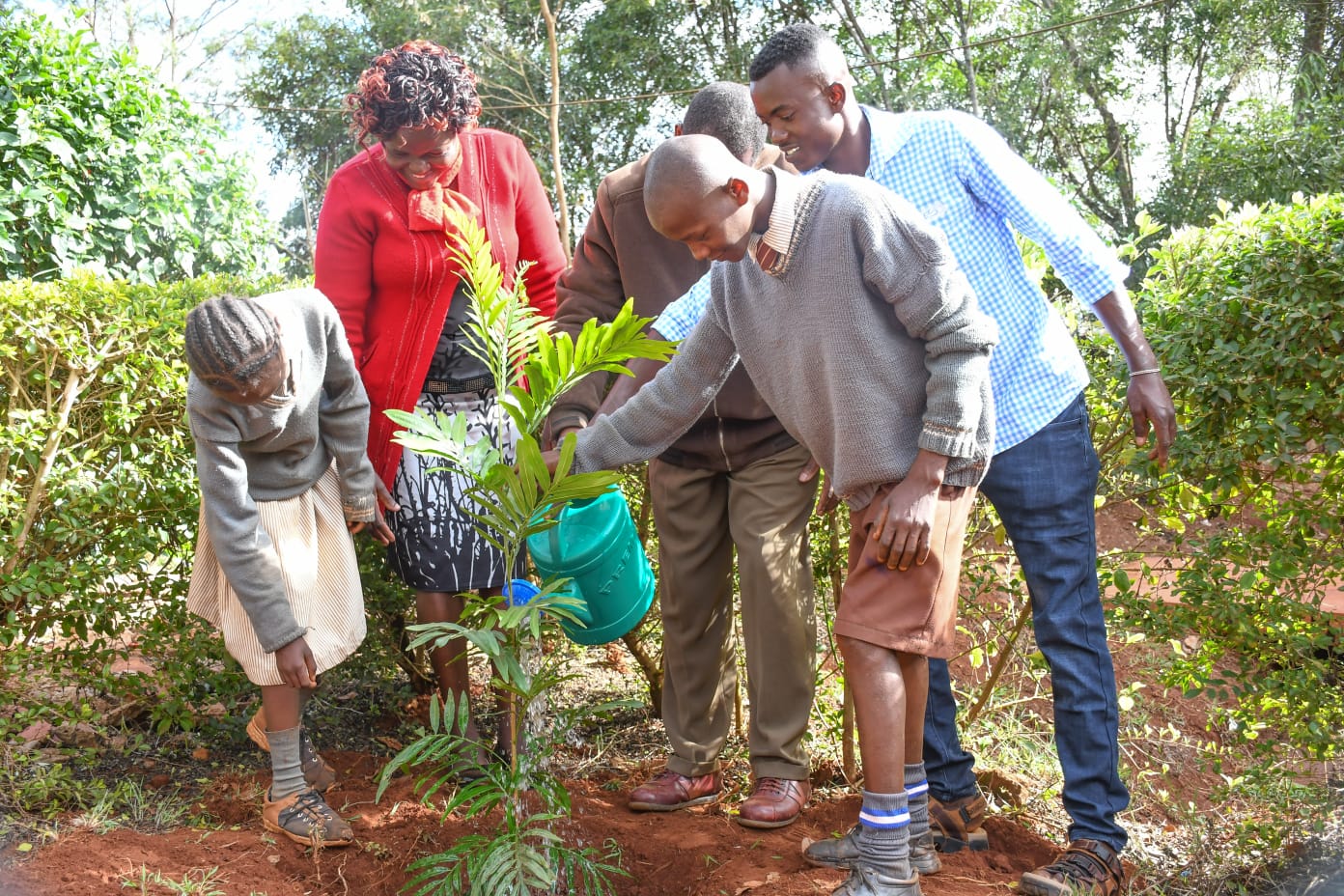
- Environmental Consciousness: Beekeeping instills an understanding of the importance of environmental sustainability, helping youth appreciate and care for the natural world. This is often a crucial step towards a more sustainable and environmentally aware adulthood.
- Education & Inspiration: The connection between nature and practical application provides youth with an accessible path to learning and innovation.
Making Beekeeping a Lucrative Business:
- Market Research: Identifying the demand for honey and other bee products in the local community is critical for successful marketing and pricing.
- Sustainable Practices: Adopting sustainable beekeeping practices is not only environmentally responsible but also crucial for long-term profitability. This includes using natural treatments for pests and diseases and supporting bee health.
- Partnerships & Networks: Collaboration with local organizations, cooperatives, or businesses can help offer access to wider markets, resources, and mentorship.
- Product Diversification: Encouraging the production of other bee products like propolis, royal jelly and beeswax candles can diversify income sources and create higher profit margins.
- Educational Programs & Mentorship: Providing training, guidance and support for aspiring beekeepers is essential for successful implementation.
Beekeeping offers a viable pathway out of poverty. By empowering youth with the skills, knowledge, and resources to establish sustainable beekeeping operations, we can build thriving communities, promote environmental health, and create a stronger, more resilient future. Let the buzz begin!